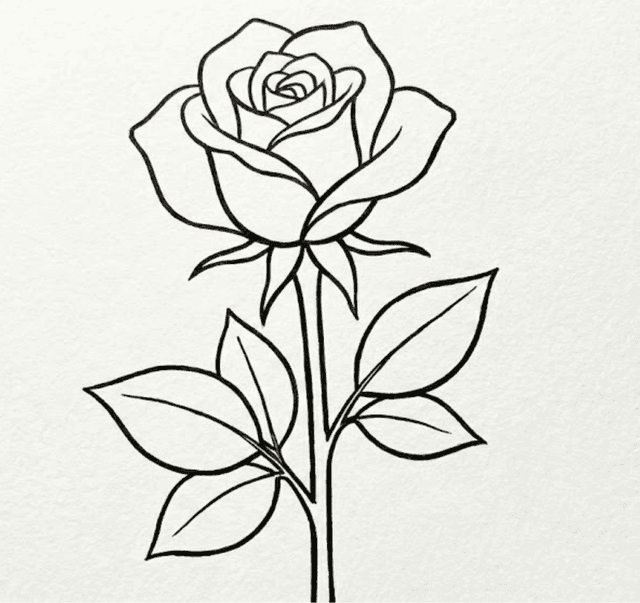
In our fast-paced digital world, finding moments of calm can be challenging. But there's a simple, ancient practice that can help: drawing. Even if you don't consider yourself an "artist," the act of putting pen to paper has profound benefits for mental wellbeing.
Drawing as Meditation
When you focus on creating lines and shapes, something remarkable happens in your brain. The constant chatter of thoughts begins to quiet. Your attention narrows to just this moment — this stroke, this curve, this shape.
This is why drawing has been compared to meditation. Both practices:
- Focus attention on the present moment
- Reduce rumination and worry
- Create a sense of flow and engagement
- Lower cortisol (stress hormone) levels
The Science Behind Creative Calm
Research has shown that engaging in creative activities like drawing can:
- Reduce anxiety by up to 75% in just 45 minutes
- Lower heart rate and blood pressure
- Improve mood and emotional regulation
- Enhance problem-solving abilities
A 2016 study in the Journal of the American Art Therapy Association found that just 45 minutes of creative activity significantly lowered cortisol levels in participants, regardless of their artistic experience.
You Don't Need to Be "Good"
Here's the beautiful secret: the mental health benefits of drawing have nothing to do with skill level. It's the process, not the result, that matters.
When you trace a rose petal or sketch a simple shape, you're giving your mind a break from:
- Digital screens and notifications
- Multitasking and productivity pressure
- Future worries and past regrets
Starting Your Drawing Practice
If you're new to drawing, here are some gentle ways to begin:
1. Guided Tracing
Following a guide removes the pressure of "creating from nothing." You can focus entirely on the meditative movement of your hand.
2. Repetitive Patterns
Drawing simple repeated shapes — circles, spirals, or curves — is deeply soothing and requires no artistic skill.
3. Nature Subjects
Flowers, leaves, and natural forms are forgiving subjects. There's no "wrong" way to draw a petal.
Making It a Habit
To get the full benefits of drawing for relaxation, try to:
- Set aside just 10-15 minutes daily
- Create a calm environment (soft music, good lighting)
- Put away your phone during drawing time
- Focus on the process, not the outcome
Your Creative Sanctuary
Think of drawing time as a gift to yourself — a few precious minutes where you're not producing, consuming, or performing. Just being present with paper and pen.
Whether you're tracing your first rose or your hundredth, each stroke is an opportunity to breathe, slow down, and reconnect with the simple pleasure of creating something with your own hands.
Why not start today?